Brand Voice and Guest Communications
Carrying omotenashi into clear, global English.
Awaji Island
Kobe
Kyoto
Lake Biwa
Okayama
Shikoku
The situation
A heritage Japanese hotel group has a voice that took generations to build. Translating it is not enough. The English voice has to feel like the same family speaking, while staying instantly clear to a guest from Singapore, Sydney, or San Francisco reading on a phone.
What we did
- A group-wide English copy standard: tone, terminology, and structure rules applied consistently across every property and page type
- Cultural translation, not literal translation. Terms like onsen, kaiseki, and omotenashi are introduced with definitions once, then used naturally, so the brand keeps its Japanese identity without losing the reader
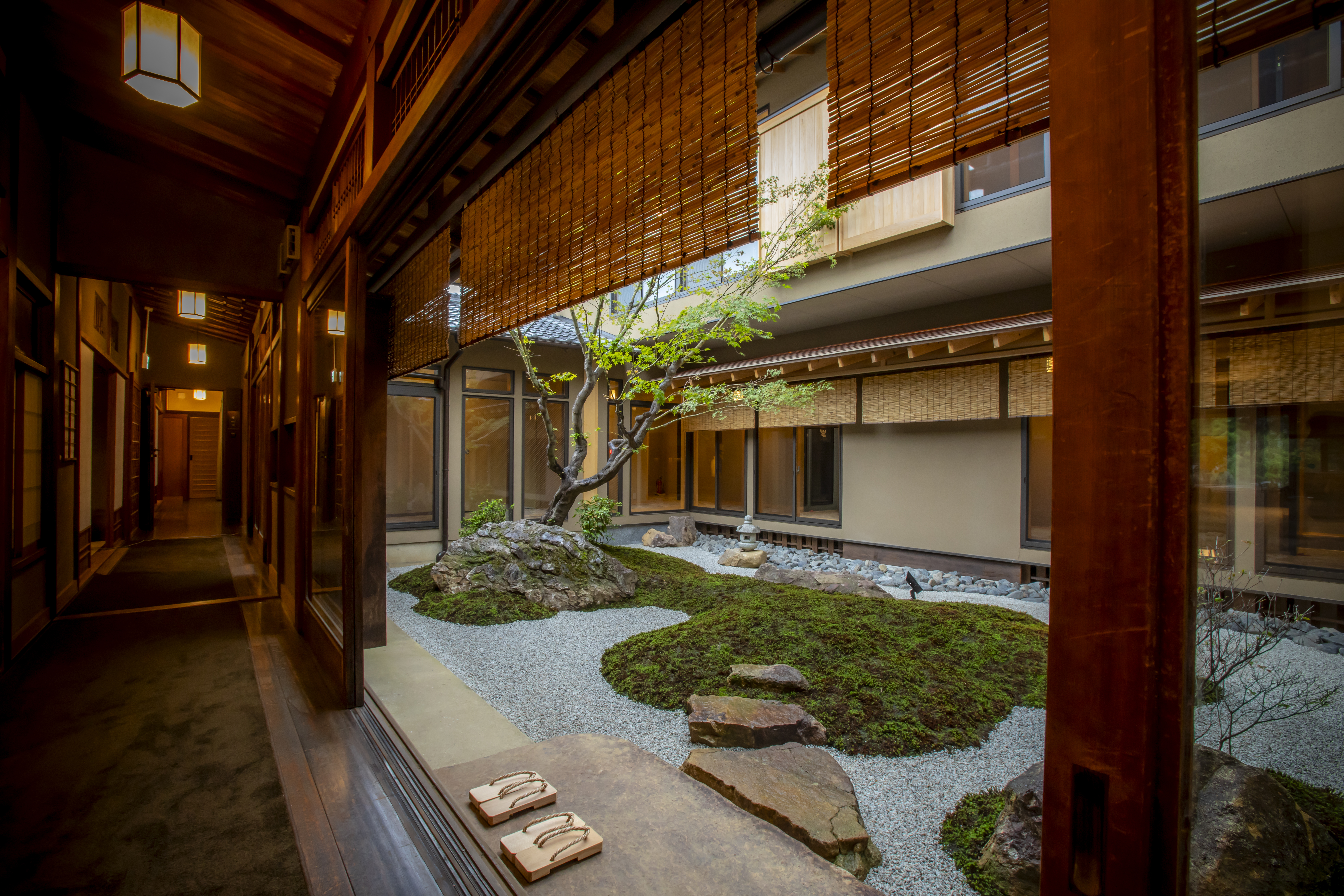
- Destination storytelling for six regions, each with its own character: whirlpools and flower fields on Awaji, harbor luxury in Kobe, heritage lanes in Kyoto, lakeside calm at Lake Biwa, canal town quiet in Okayama, pilgrimage and craft in Shikoku
- Guest-facing communications beyond the website: Club Lounge copy and onsen guides for international guests
- Bilingual workflows, so English and Japanese materials move together instead of drifting apart
Where it stands
The voice now travels. The same warmth a guest feels at check-in reaches them weeks earlier, in the first paragraph they read.
Design for international guests
We help Japanese hospitality groups tell their story to the world.
Start a conversation